
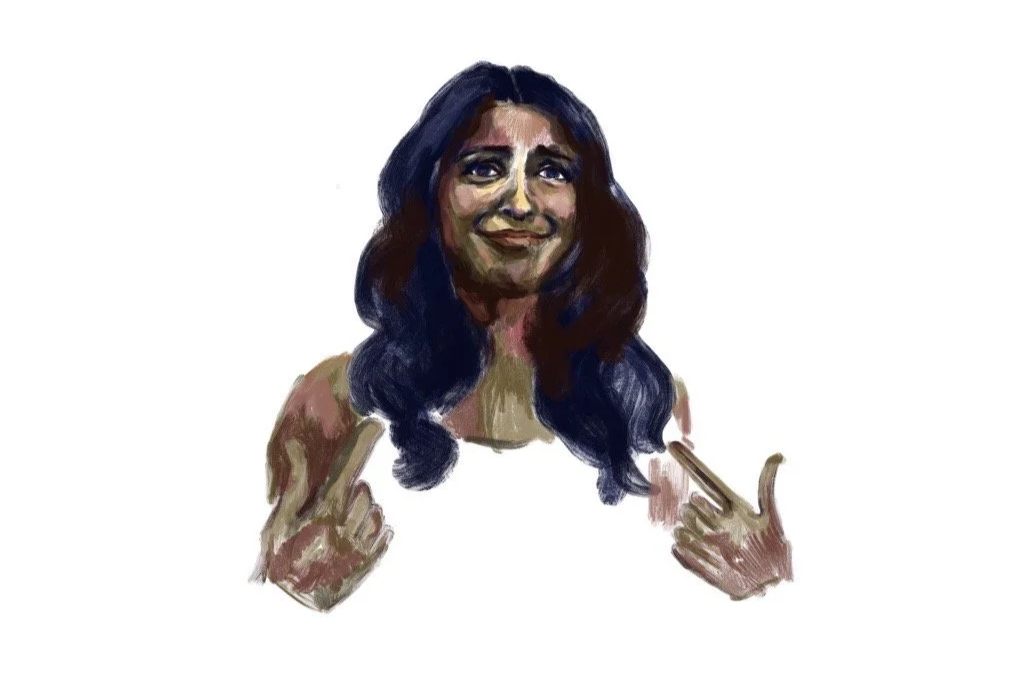
Graphic by Kate Tang
On Sept 18, the new Netflix original Best of the Best—more affectionately known as the "Indian Pitch Perfect”—hit the worldwide stage. However, the comparison to the 2012 aca-mazing film does not just mean that the movie was good, it highlights the insane lack of representation the Indian American experience gets in mainstream Hollywood.
The movie follows two best friends through their first semester on UCLA’s competitive Bollywood dance team. Maya, played by Maitreyi Ramakrishnan, was the innovator of her team—often clashing with captain Rohan and struggling to navigate her relationship with her boyfriend, much like the premise of the 2012 film Pitch Perfect.
The positive response from Indian American audiences, who praised the film for accurately representing their experiences, highlights how valuable it is to have more of this authentic representation onscreen. It also brings to light how ignored these shared experiences are in the media.
Secretary of the Syracuse University Desi Performance team, Shruti Aggarwal, among so many other Indian American children, only had Ravi from the Disney Channel Show Jessie to look to. But believe it or not, not every Indian in America speaks with a thick accent and owns a lizard. This is common for a lot of Indian characters in American media; they aren’t expanded as characters beyond having the stereotypical accent, overbearing strict parents, or being socially awkward nerds. Stereotypes like these create harmful stigmas and preconceptions as to what it means to be Indian.
This is why characters like Maya and Anjali, played by Priyanka Kedia, as well as the iconic Devi from Never Have I Ever, are so important for viewers to see. With them, we’ve seen a shift in how South Asian cultures and ethnicities are perceived.
“Indians are typically seen as FOBs (“Fresh-off-the-boats”) or immigrants, so it was nice to see us in that light,” said Aggarwal, referring to the film’s less stereotypical characters.
The movie did a lot right in terms of representing South Asia as a multifaceted region. Maya was Tamil, which off the bat is rare to see in mainstream Hollywood. Additionally, there were Pakistani, Kathak and Bharatanatyam influences in the choreography; all common in traditional dance today. A lot of reviews included appreciation for the accuracy of how the team operates, drawing comparison to their own collegiate teams.
Another notable feature was the rejection of flat South Asian stereotypes. It had every archetype of an Indian, as described by Ramakrishnan, who also starred as Devi in Never Have I Ever. There are the FOBs, token white boys, computer science majors, bitchy girls on the path to becoming bitchy aunties, and just your average Indian American student. These characters were smart, funny, talented; they were so much more than just being a typical stereotype which is why having these positive ethnic portrayals are so important.
The SU Desi Performance team drew comparisons between the movie and their own lives. Dance is such an integral part of young Indian Americans, especially Indian American girls. It builds community, friendships, and skills these girls can take into their lives.
“Dance is our Greek Life,” said Kaveri Deepak, the team’s vice president.
Nikita Suharu, the team’s co-captain, also appreciated the dynamics seen on the screen. From showcasing Indian friendships positively, to the accuracy of an Indian mother-daughter relationship, the movie did so much right.
Deepak, Suharu and Aggarwal all agreed how nice it was for them to see South Asians portrayed in such a positive light. They related this to Never Have I Ever’s Devi, who had boyfriends and personal goals, whereas her academics were barely ever a main plot point. With Best of the Best, school was a subplot. We got to see Indian characters on our screen without needing to acknowledge they were Indian. They were just regular characters experiencing college.
With more than six million South Asians living in the United States, there are bound to be shared experiences. The positive reviews alone show how valuable it is for people of color to see their experiences highlighted in something that everyone is watching, and shows why companies like Netflix should be putting out more than just two projects in a decade that represent us. We need more movies like Best of the Best, and we need more Devi Vishwakumars.