
The 2026 Oscars: Another Year, Another Discourse Cycle
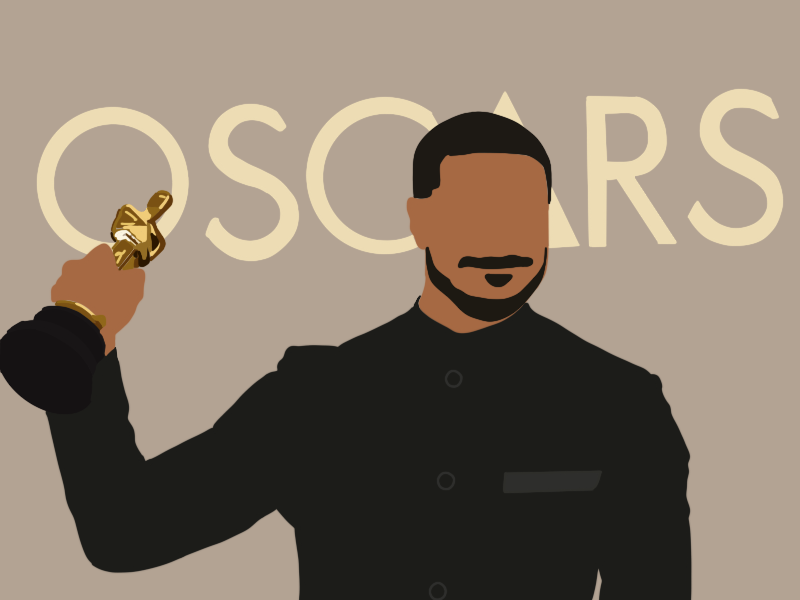
Graphic by Téa Sklar
By all accounts, this year’s Academy Awards ceremony was quite good. From an entertainment standpoint, Conan O’Brien is a fantastic host (especially compared to a rough field of traditional late-night names) with some truly excellent backstage skits referencing Weapons and One Battle After Another. Both the live performances of “Golden” and “I Lied to You” were superb (shame the weaker song took home gold, but alas), and Timothee Chalamet got his name dragged through the mud constantly… yay.
However, like most online film nerds who have watch-along parties and fully outlined prediction ballots (even if we didn’t really see every Live-Action Short… sorry), my real concerns came with the award winners themselves. But that being said, this year was actually quite agreeable!
Not to say I was without grumbly disavowals: I was out hard on KPop Demon Hunters, both Frankenstein’s and F1’s wins for technical categories came with shrugs, and despite my love for both Jessie Buckley and Amy Madigan, neither of their performances felt head-and-shoulders above their stacked competition (no acting wins for Sentimental Value should be utterly mindblowing).
Even with those gripes, I still came away satisfied due to my two personal favorites (OBAA and Sinners) ending up as the most decorated films of the night, with their respective Best Screenplay wins and Michael B. Jordan’s triumph in the Best Actor race proving extremely cathartic, accompanied by some truly lovely speeches.
Throughout the night, I naturally spent some downtime cross-referencing my thoughts with folks on the site where nuance goes to die: Twitter. To my lack of surprise, my timeline was filled with thousands of users coming out of the woodwork to complain about the victories of OBAA & Sinners, often with misinterpreted out-of-context clips, despite the last six months of near-universal acclaim. Is this butthurt pouting from Marty Supreme shooters that I didn’t know existed to such an extent, or are these casual filmgoers complaining about movies they didn’t watch, or maybe even something worse? Regardless, this almost-instant backlash cycle post-Oscars comes around like clockwork every year, making conversations about movies with layered, complex themes completely insufferable.
However, I would be lying if I didn’t understand or even engage with this yearly discourse. Last Oscars season, I went into the show rooting for Anora (as my real picks Love Lies Bleeding and I Saw The TV Glow couldn’t sniff the ceremony), despite the fact I was yet to see the movie: instead relying on the strong word-of-mouth of friends and the general wasteland of quality across the rest of the Best Picture nominees to justify my decision. After Anora went on to dominate the awards, I finally got around to seeing the film I (moderately) campaigned for… and utterly despised it, which unfortunately aligned me with the contrarian detractors that I saw all over social media on the eve of the Oscars.
As such, I don’t see this trend as something avoidable. It’s in the spirit of awards-show hype, and between the asinine comments and reply threads lies a core of artistic engagement and genuinely well-meaning conversation that often spurs critical reappraisal, often filtered through poorly thought-out means.
Would I prefer all Twitter users to actually SEE the movies they speak on, especially when certain posts can shift cultural opinions for often misguided reasons? Sure, but I don’t have that magic wand. So I assume the best road is simply taking the intellectual high ground: engaging with posts for what they are while prioritizing my efforts on civil, well-intentioned film discussion. Besides, the block button exists for a reason.