
Artemis II - A 400,000 Mile Journey Into Space and Back That Changes Everything
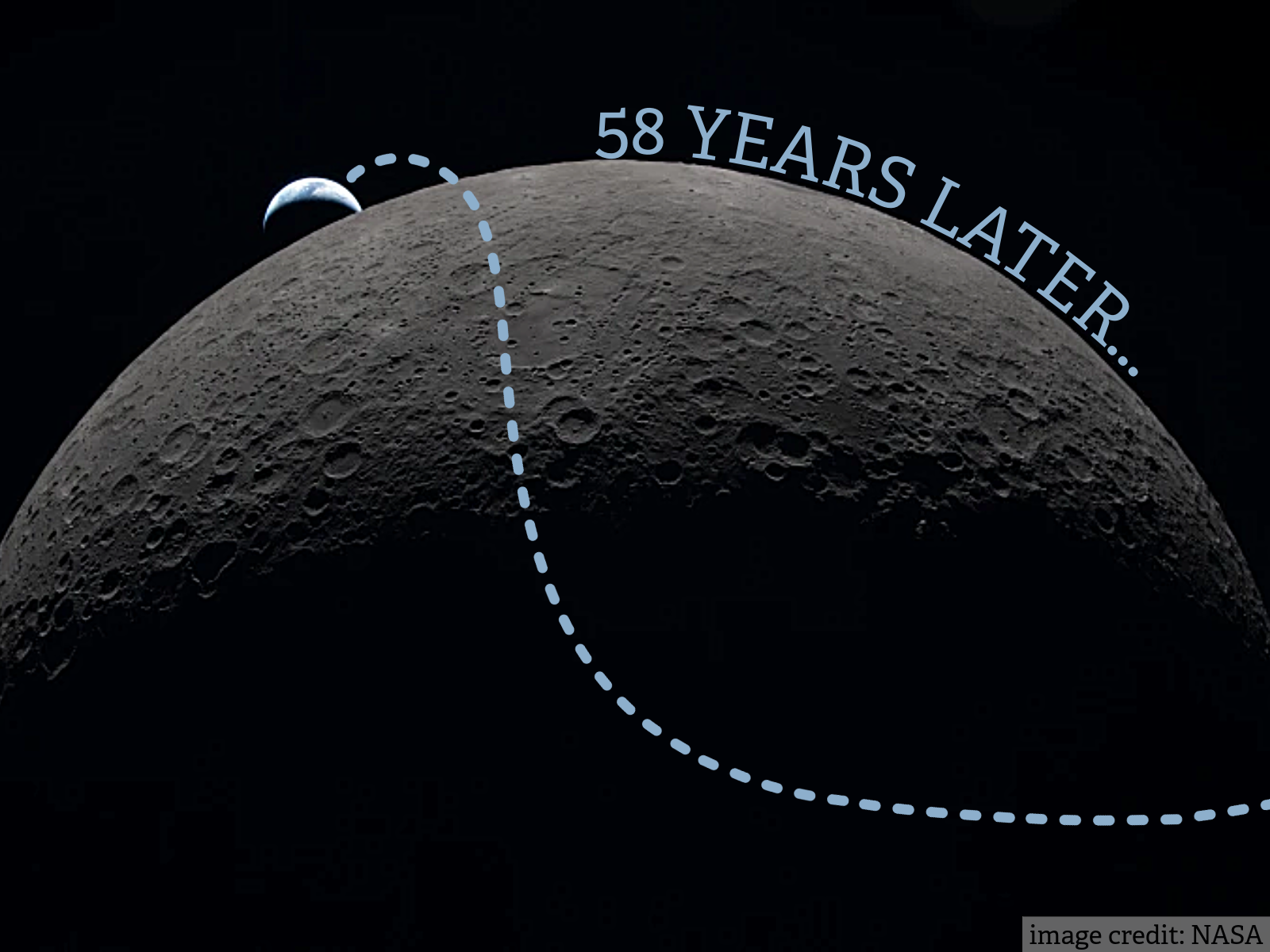
Graphic by Claire Arveson
After ten days in deep space and roughly 400,000 miles traveled, Artemis II was an incredibly successful, but equally dangerous journey. Artemis II traveled farther than any human mission in 50 years and proved we can come back safely, preparing humanity for what comes next.
The spacecraft held together. The heat shield endured. The trajectory stayed true. An endless list of things could’ve gone wrong, but didn’t, thanks to the efforts and dedication of a huge support team on earth and four astronauts on board: pilot Reid Wiseman and mission specialists Victor Glover, Christina Koch and Jeremy Hansen.
Artemis II was built to test deep-space navigation, long-distance communication, and the ability for astronauts to manually control their spacecraft when it matters most. The mission delivered never before seen, stunning visuals of space and the Moon, reminding us how far we’ve come since the early days of exploration.
But the real story wasn’t just the journey outward. It was the journey back. Reentry – the moment a spacecraft barrels through Earth’s atmosphere at extreme speeds – has always been the most dangerous part of any mission. For Artemis II, it was no different. Communication with Mission Control dropped off as expected, leaving the crew to rely entirely on their training and onboard systems. Everything had to work and it did.
Back on campus, the mission feels closer than it might seem. At Syracuse University, students and researchers are already contributing to the broader ecosystem that makes missions like Artemis II possible. Through programs in aerospace engineering, physics and data science, as well as partnerships with government and industry, the university is part of the pipeline that feeds innovation into space exploration. Even within S.I. Newhouse School of Public Communications, Syracuse is helping to train professionals that can translate complex missions like Artemis II into something the public can understand, care about, and follow in real time.
Artemis II got it right. For the crew, the mission ended with a safe return home. For the rest of the world it is an important reminder that space travel is still very risky but within our reach.