
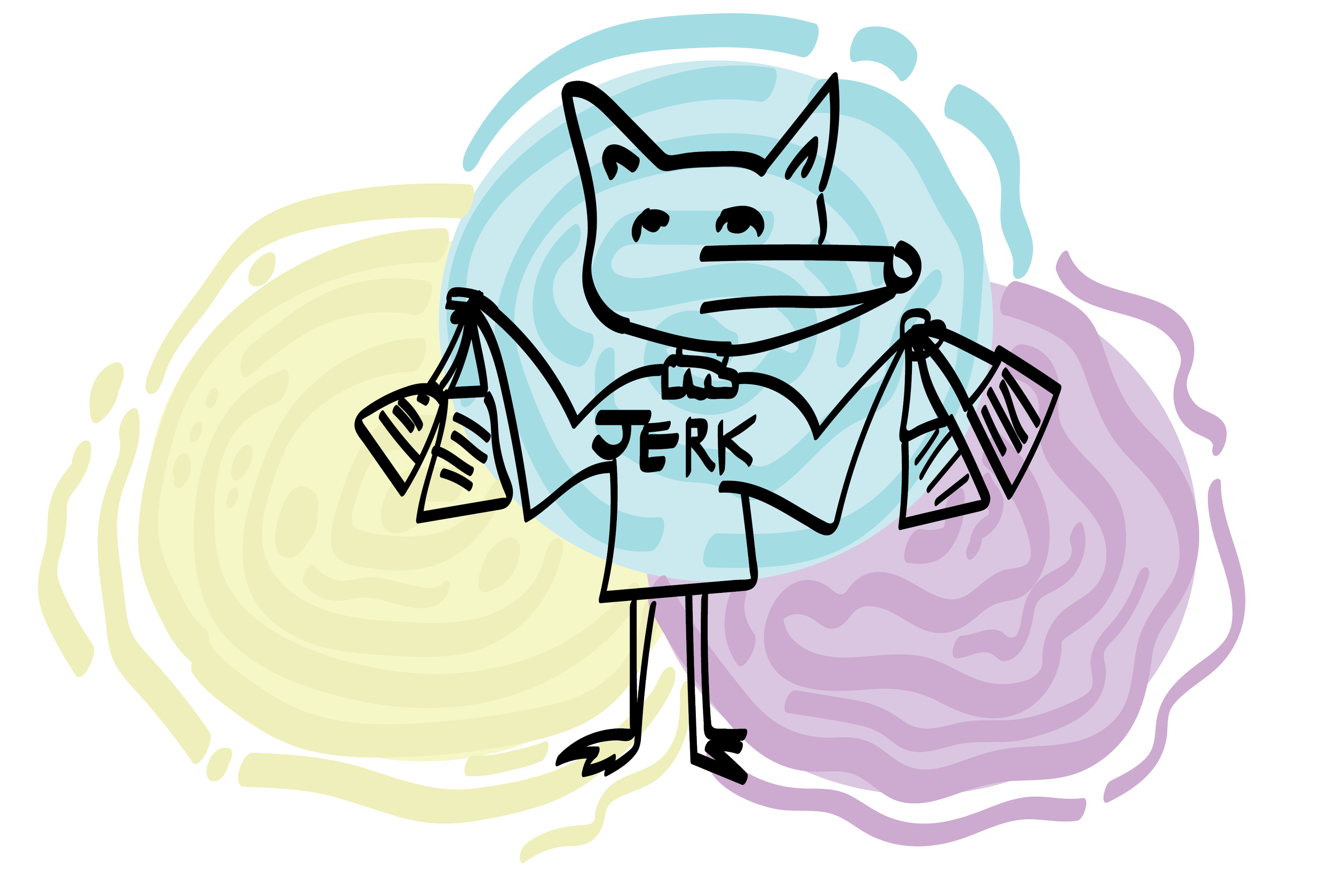
Graphic by Addison Pavone
Social media, fast fashion and short-form videos have reduced the expression of fashion into a series of microtrends, making users rapidly cycle through wardrobes. This phenomenon has morphed trends into a short-term fixation on one thing: colors.
“Butter yellow was a very summer-chic situation, I feel like it really goes with the seasons,” said Abigail Luca, former University Girl managing editor. “In my opinion, maroons are a very fall situation; butter yellows are a very summer-centric color, but it changes every damn time.”
Colors have become the new focal point of self expression. Butter yellow was recognized by Forbes and selected as KitchenAid’s 2025 Color of the Year after dominating TikTok from 2024 to 2025. In 2026, teal was quickly solidified as the Color of the Year and confirmed by trend forecasting outlet, WGSN, and the color system brand, Coloro. The nail, however, entered the coffin the second Brandy Melville made a matching teal set.
Brands are able to capitalize on the social media hive mind, knowing they can make any item in the current hot color before sitting back and relaxing until it's sold out. The algorithm sustains itself, feeding into the content consumers engage with, and reproducing the idea that the newest temporary color is a must-have.
“I feel like it started with patterns, then I think the next thing was just going to be bright colors like teal, and hot pink and coral. It's not even a certain type of clothing. It's teal shirts, teal pants, sweats, all of it,” said Fetch Collective assistant editorial director, Sheza Qasim.
For Qasim, the craze around brands fuels the production of these microtrends. Retailers like Brandy Melville—previously exiled for its unethical business practices—have reentered the spotlight as the main producer of monochromatic clothing. Qasim identified the power of younger consumers entering the social media realm, shifting attention towards these brand with microtrends rising in proportion to the influx of people wanting to shop at these large fast fashion corporations. This leads to producing massive amounts of clothing to meet demand for fleeting trends, generating lasting consequences on the environment, workers and consumers themselves.
“I think it's just easier for big companies to push out products when trends are broad. If it's just a color, they could do anything with that, and it's easy—it's just a dye,” Luca said.
While Brandy lists items like their teal sweatpants as 100 percent cotton, their almost nonexistent production record leaves many aspects of quality and production unknown, keeping customers in the dark without a public sustainability page, certification or report. The promise of cotton may create the impression that the quality of Brandy’s products is better than others, but without transparency, the accuracy of its rumored “better quality” compared to other fast fashion brands loses validity.
It can be easy to be sucked into the hyperfluctuating trends of clothing rather than staying consistent to yourself. With color trends broadening to encompass one shade in a variety of forms, being influenced by these aesthetics in terms of personal style is more evident. Luca recognizes this influence can prevent people from cultivating a look most authentic to, but trends can also allow people to discover what makes them the most confident.
This difference is important to make—consumers shouldn't be punished for liking a color, but they should be careful as to how it appears in their closet. Recognizing microtrends doesn’t mean shaming someone away from what they like, rather it’s about being mindful of the way one consumes clothing, so as to prevent items from being tossed out in a month to make room for the next popular color. Instead of rushing to modify your entire look to fit what’s trending, gradually implement pieces from sustainable stores to test if a piece is right for you.
“I would start with thrifting so you can even buy something at a lower price, try it out and see if you like it,” Qasim said.
For now, there’s only so much that can be done to combat the oversaturation of color trends. Don’t let TikTok dictate what your personality is and try what feels most authentic to you. Colors may consume your feed—don’t let them consume your closet.